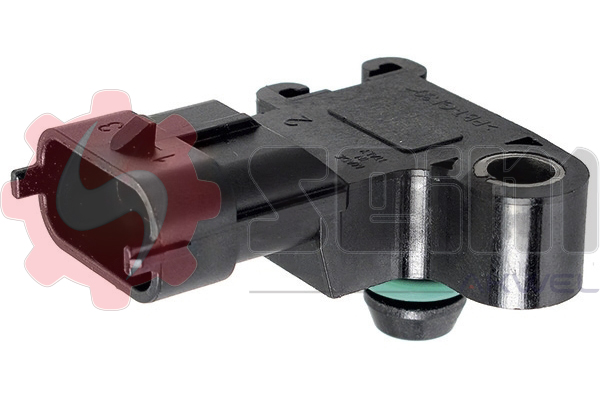
SEIM MAP Sensor (Manifold Absolute Pressure): Function, Functioning, Selection, and Installation
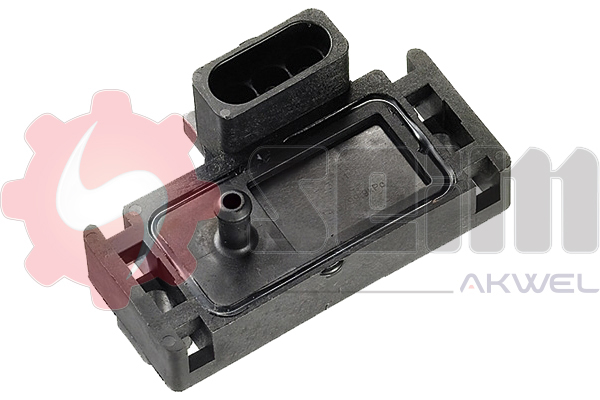
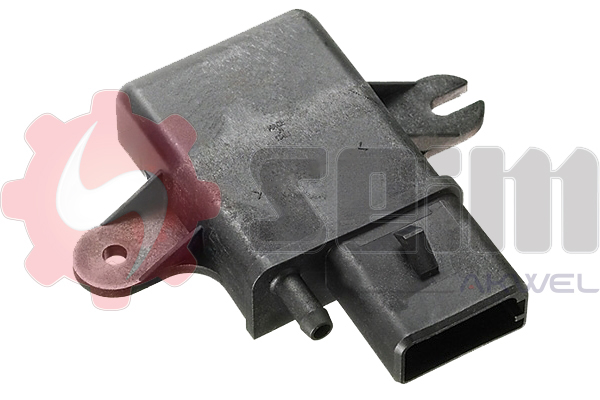
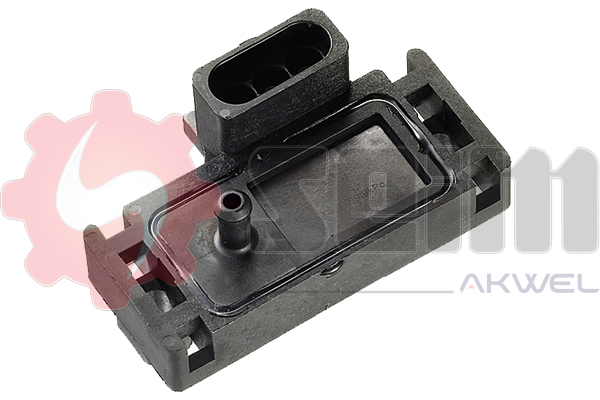
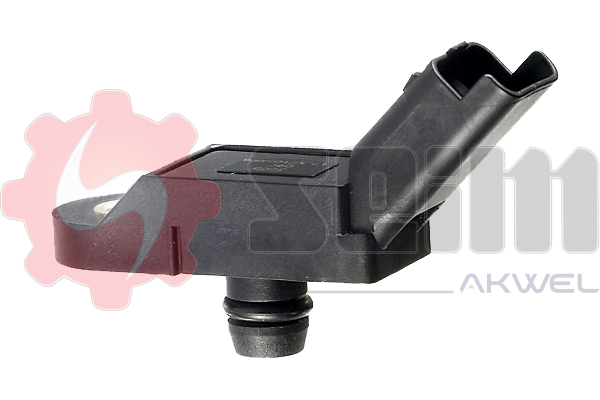
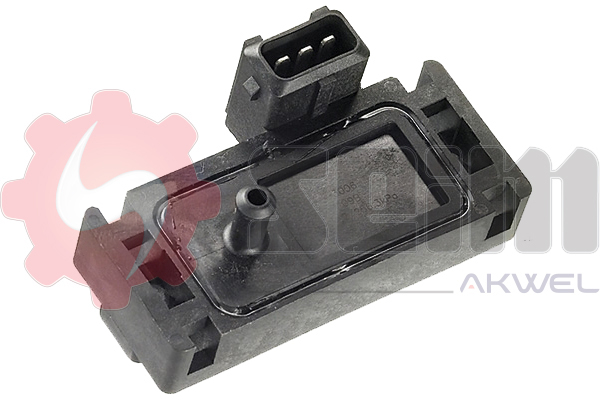
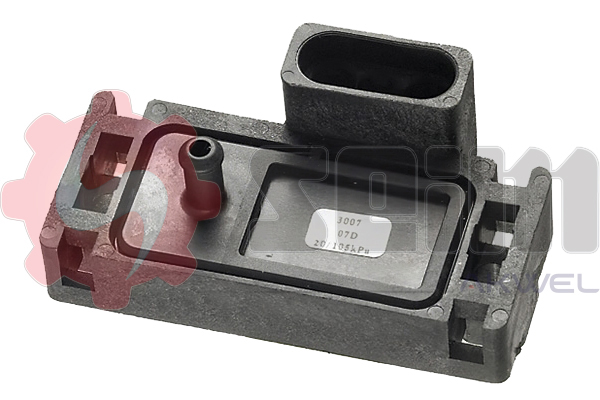
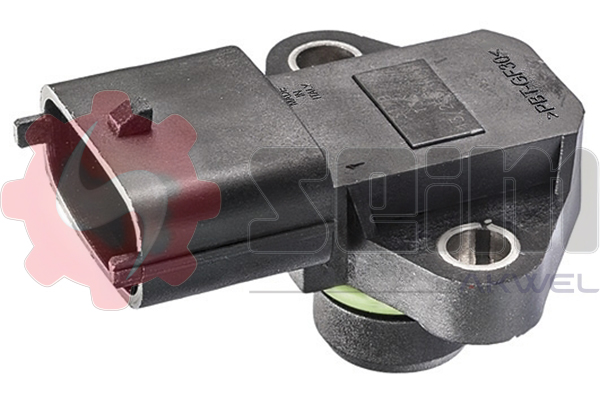
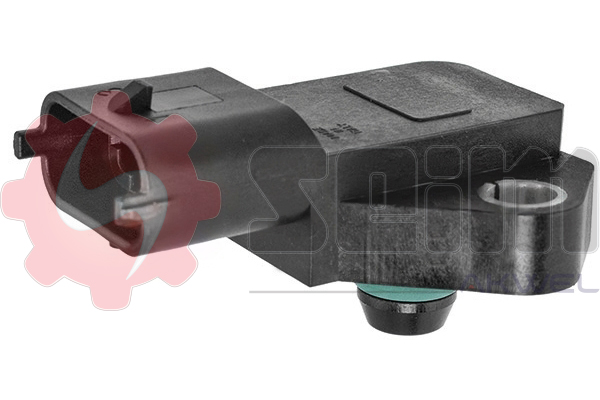
The MAP (Manifold Absolute Pressure) sensor is an essential component in engine management, as it measures the absolute pressure in the intake manifold. This data allows the engine control unit (ECU) to calculate the amount of air drawn into the engine and adjust the fuel injection accordingly. To avoid costly failures and maintain your vehicle's performance, it is important to choose SEIM MAP sensors that offer exceptional reliability and durability.
What is a MAP Sensor?
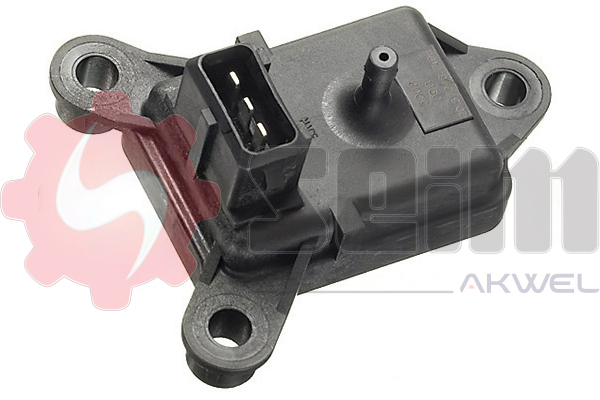
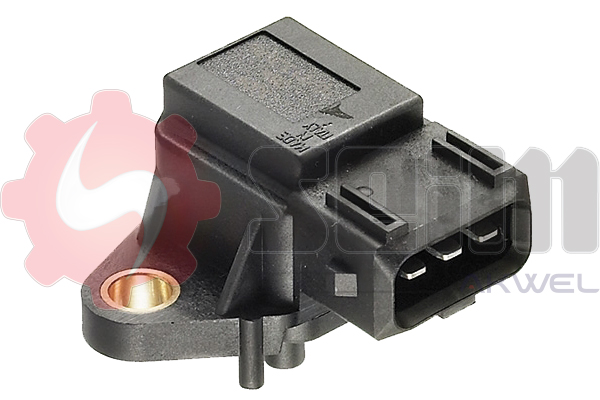
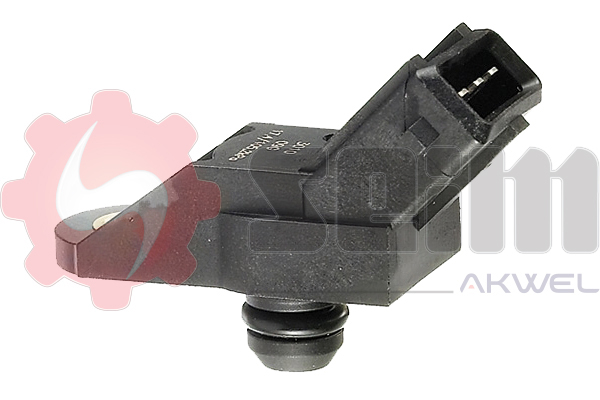
The MAP sensor measures the absolute pressure in the intake manifold and sends this information to the engine control unit (ECU). This pressure is a direct indicator of the amount of air drawn into the engine, enabling the ECU to accurately calculate engine load and adjust fuel injection and ignition timing accordingly.
Main Functions of the MAP Sensor
- Air Density Calculation: The MAP sensor measures atmospheric pressure and intake pressure to determine the air density in the engine, which is essential for optimal air-fuel mixing.
- Adjustment of Air-Fuel Mixture: Based on pressure data, the ECU adjusts the volume of fuel injected to ensure efficient combustion.
- Optimization of Engine Performance: Proper functioning of the MAP sensor enhances engine performance, fuel consumption, and reduces harmful emissions.
- Monitoring of Boost Pressure (Turbo): In vehicles equipped with turbochargers, the MAP sensor also monitors the boost pressure in the intake system.
The MAP sensor typically works in conjunction with an intake air temperature (IAT) sensor or a mass air flow (MAF) sensor to more precisely adjust ECU settings. Some MAP sensors are equipped with a thermistor to measure the intake air temperature, in addition to pressure, which helps improve air density calculations. The thermistors used in MAP sensors are generally NTC (Negative Temperature Coefficient) thermistors.
How to Choose a MAP Sensor?
- Vehicle Compatibility: Each vehicle requires a specific sensor, so it’s crucial to choose one that matches your vehicle and engine model. Check the original references or consult the manufacturer's specifications to avoid any compatibility errors.
- Type of Sensor:
- Simple MAP Sensor: Measures only the absolute pressure in the intake manifold.
- Combined MAP Sensor with Thermistor: Measures both the pressure and temperature of the intake air for more precise engine management.
- Pressure and Temperature Range: Ensure the sensor can accurately measure the pressure range (especially for turbocharged engines) and the temperature corresponding to your engine's operating conditions.
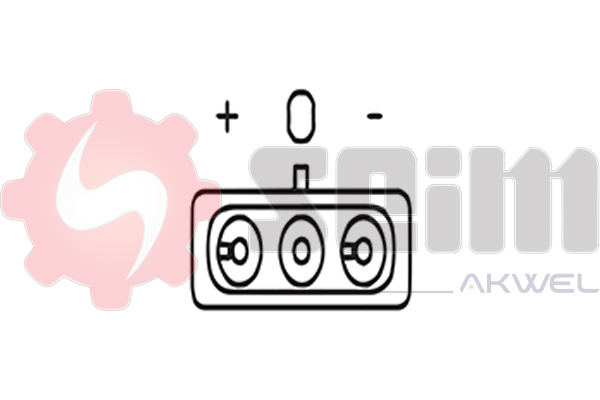
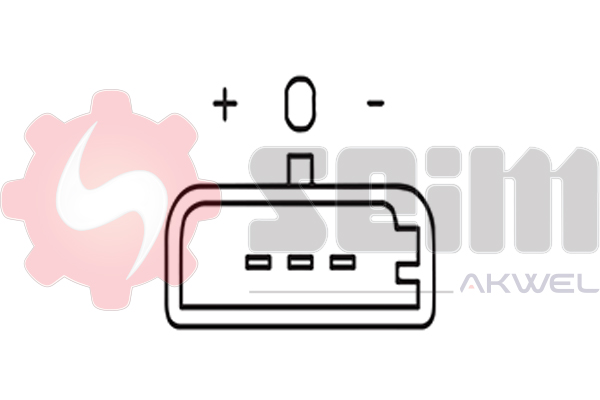
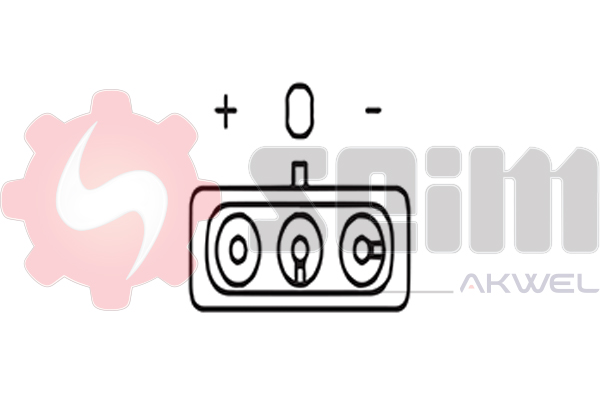
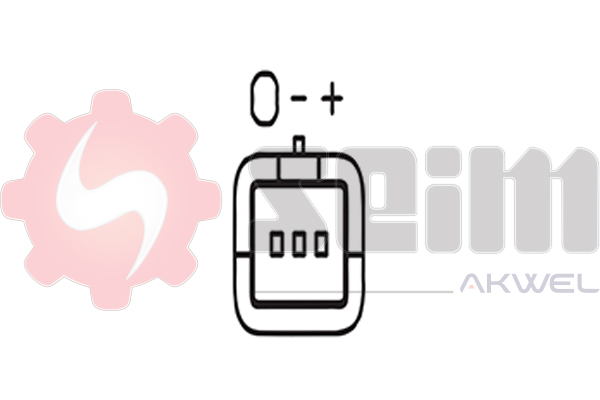
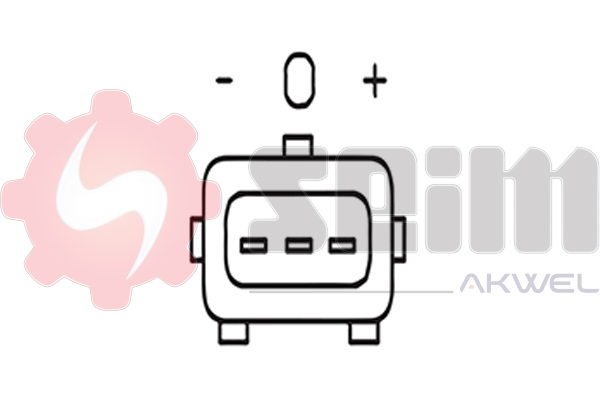
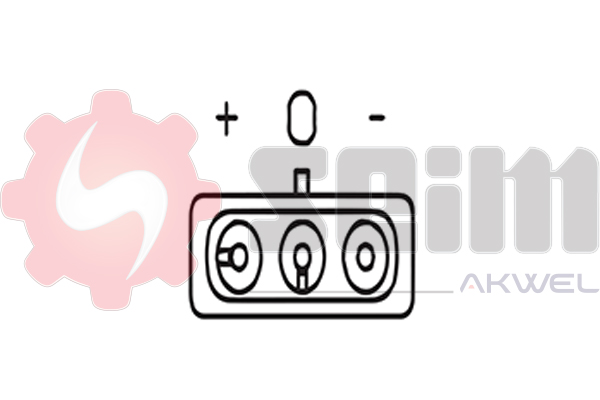
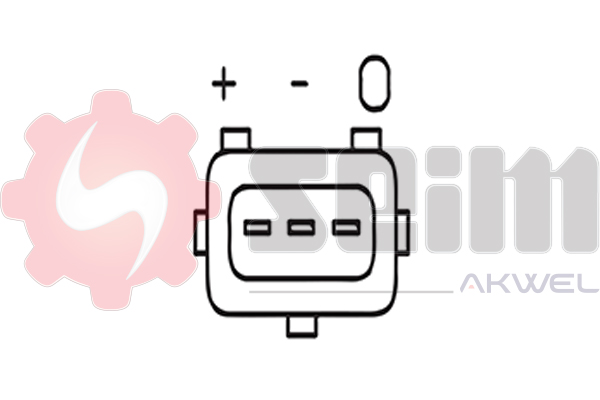
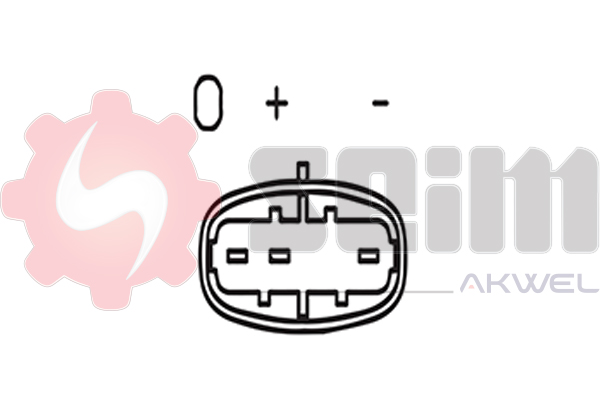
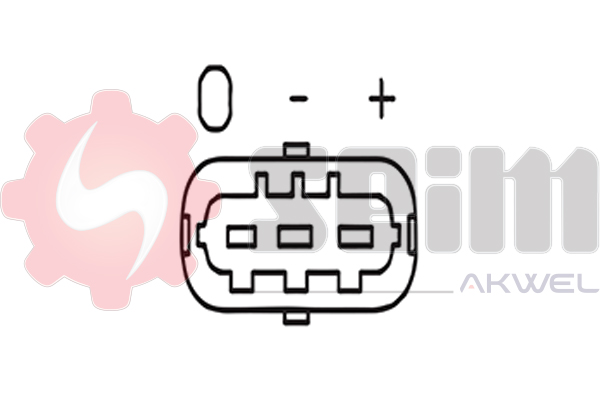
- Connectors: Make sure the connector matches that of your vehicle.
Installation of MAP Sensors
- Preparation: Before installing or replacing the sensor, disconnect the vehicle’s battery to avoid the risk of a short circuit or ECU damage.
- Location of the MAP Sensor: The MAP sensor is generally located on the intake manifold, often near the throttle body or EGR system. Consult the vehicle manual to find the exact location.
- Removal of the Old Sensor: Locate the faulty sensor, disconnect the connectors, and remove it following the manufacturer’s instructions.
- Installation of the New Sensor: Place the new sensor in the same position, secure it, and ensure the seals are airtight to prevent leaks.
- Function Test: After installation, reconnect the battery and start the engine to test proper functionality. Use an OBD diagnostic tool if necessary to verify pressure and temperature readings.
Maintenance of MAP Sensors
- Cleaning: Keep the sensors clean to prevent dirt accumulation that could affect performance.
- Regular Inspection: Check the sensors regularly for signs of wear or malfunction.
- Preventive Replacement: Replace sensors periodically based on manufacturer recommendations to avoid unexpected failures.
Discover SEIM MAP Sensors Today!
The MAP sensor is crucial for precise engine management, especially in adjusting the air-fuel mixture according to pressure and, in some cases, temperature in the intake manifold. Contact us today to learn more and discover how our sensors can ensure optimal engine performance, better fuel efficiency, and reduced emissions.
SEIM - Your Partner for Reliable and High-Performance Solutions