SEIM Blower Ventilation Control: Role, Functioning, Choice, and Installation
The blower ventilation control is an essential component of a vehicle's heating, ventilation, and air conditioning (HVAC) system. It regulates the speed and airflow circulating in the cabin, allowing for adjustment of passenger thermal comfort.
What is a Blower Ventilation Control?
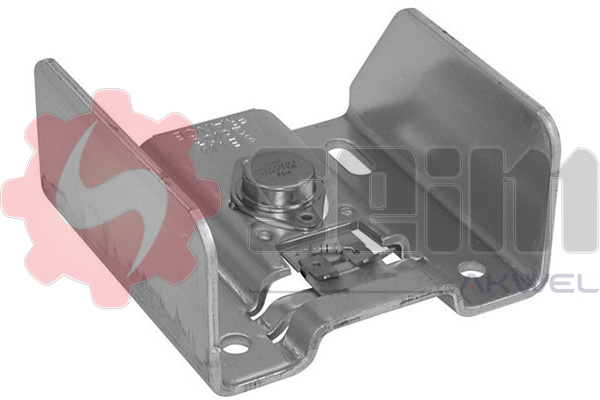
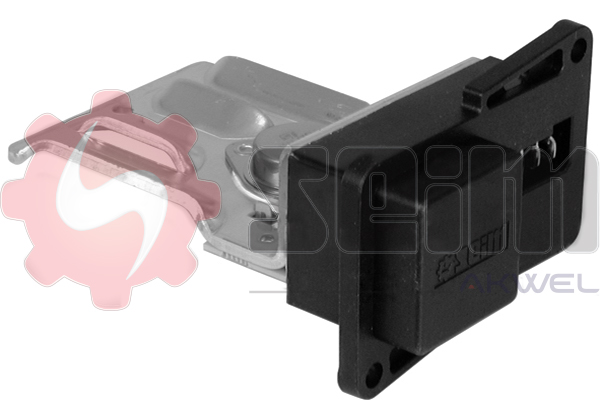
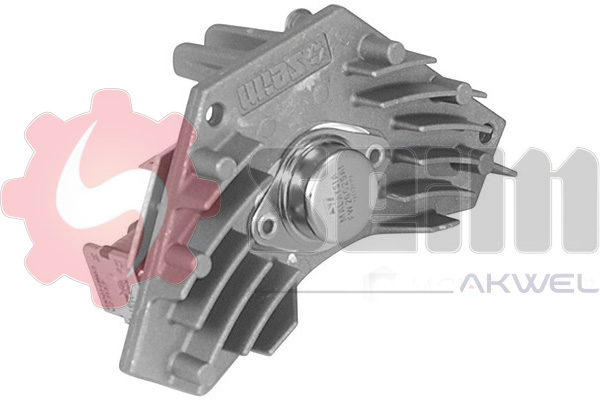
The blower ventilation control regulates the fan speed of the HVAC system, which blows air through the heating or air conditioning circuits into the cabin. Connected to the blower motor, it allows for temperature and airflow modulation to ensure cabin comfort.
Main Functions of the Blower Ventilation Control
- Fan Speed Control: Allows selection of the blower speed with several adjustable levels, often ranging from 1 to 4 or 5 speeds.
- Thermal Comfort Regulation: Adjusts the airflow to ensure a pleasant temperature in the cabin, whether in heating or cooling mode.
- Air Distribution: Manages the direction of airflow (toward feet, windshield, etc.) based on user settings.
Types of Blower Ventilation Controls
- Mechanical Control: The simplest type, using buttons or manual knobs to adjust blower speed and airflow direction.
- Electronic Control: Provides more precise control over ventilation via buttons or a digital display.
- Automatic Ventilation Control (Climatronic): Allows automatic temperature and airflow regulation. The user sets a desired temperature, and the system adjusts blower speed to maintain that setting.
How to Choose a Blower Ventilation Control?
- Compatibility: Ensure the control is compatible with your vehicle's make, model, and year by checking original references or manufacturer specifications to avoid adaptation errors.
- Technical Specifications: Verify that the control meets your vehicle's technical requirements.
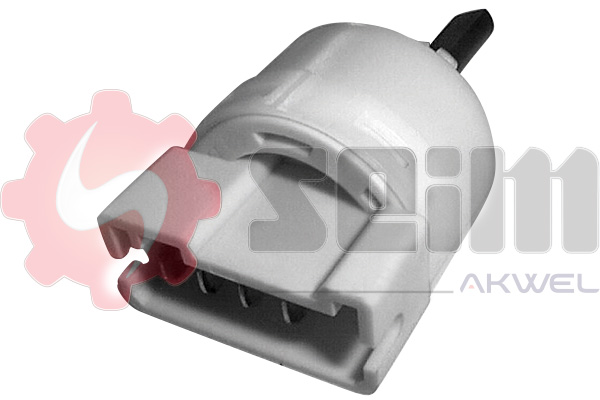
- Connectors: Ensure the connector matches that of your vehicle for proper installation.
Installation of the Blower Ventilation Control
- Preparation: Disconnect the vehicle’s battery before installation to avoid the risk of short-circuiting.
- Locating the Blower Ventilation Control: Typically located behind the dashboard, you may need to remove parts of the dashboard to access it.
- Removing the Old Control: Carefully disconnect the electrical connectors from the old control, then unscrew and gently remove it.
- Installing the New Control: Position the new control in place, secure it properly, and reconnect the connectors.
- System Test: Reconnect the battery, start the vehicle, and test the control functions (speed adjustments, air direction changes) to ensure it operates correctly.
Maintenance of Blower Ventilation Controls
- Cleaning: Keep the control clean to avoid dirt accumulation that could affect its performance.
- Regular Inspection: Check the control regularly for any signs of wear or malfunction.
- Preventive Replacement: Replace the control at regular intervals according to the manufacturer's recommendations to avoid unexpected failures.
Discover SEIM Ventilation and Blower Controls Today!
The blower ventilation control plays a key role in passenger comfort by regulating airflow in the cabin. Choosing an appropriate control, whether mechanical, electronic, or automatic, ensures optimal ventilation management and contributes to effective thermal comfort. Contact us today to learn more and discover how our controls can guarantee smooth and prolonged airflow operation in the cabin.
SEIM - Your Partner for Reliable and High-Performance Solutions