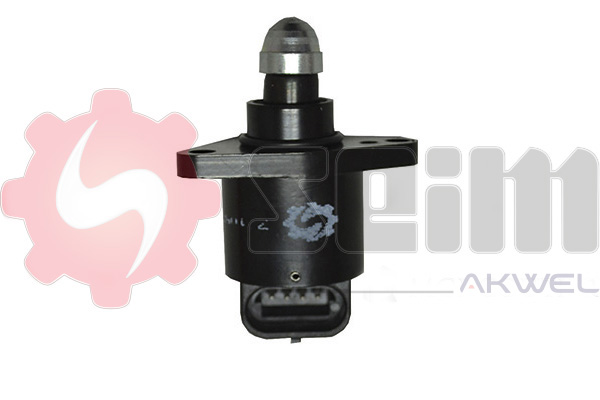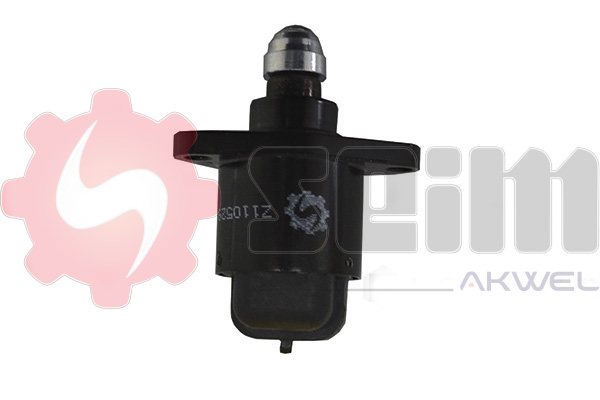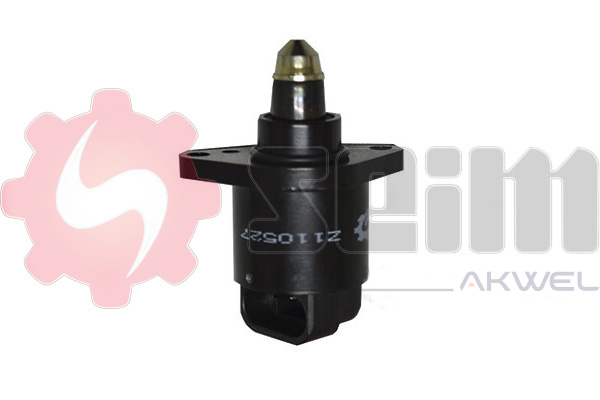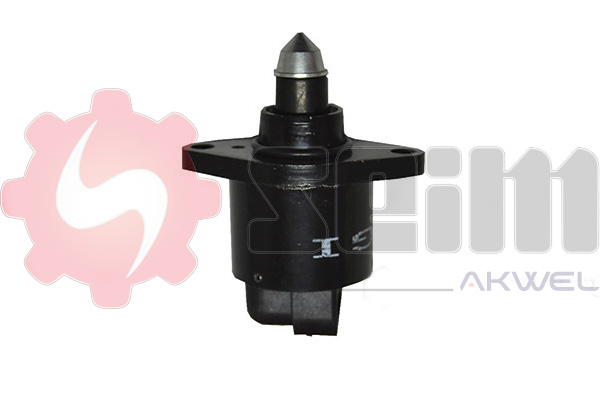
SEIM Idle Actuator: Functioning, Role, Selection, and Installation
The idle actuator plays an essential role in regulating engine speed when the vehicle is stationary or idling. This electronic device maintains a stable engine speed by adjusting the air intake.
What is an Idle Actuator?
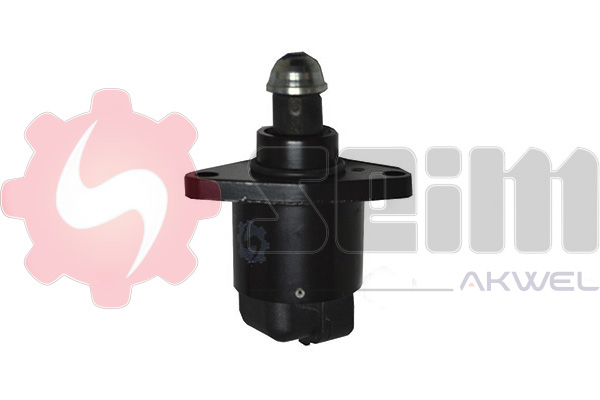
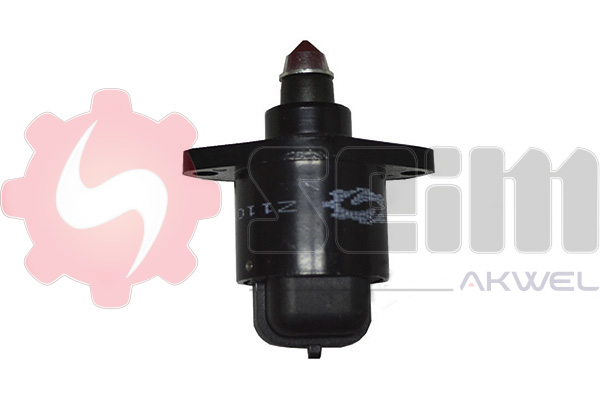
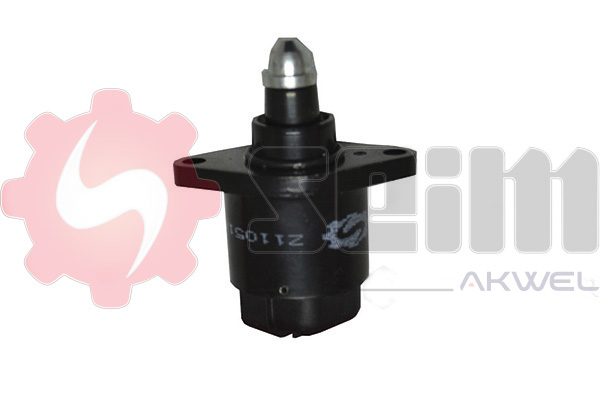
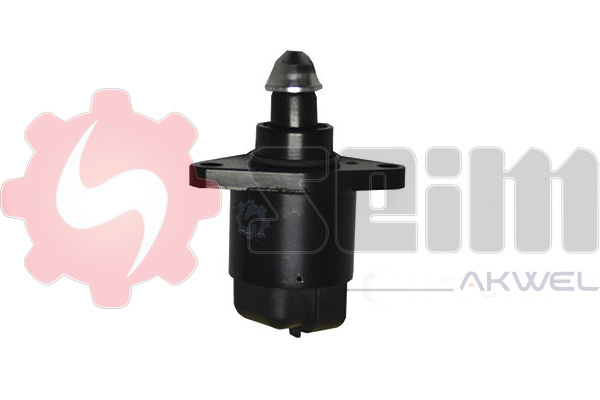
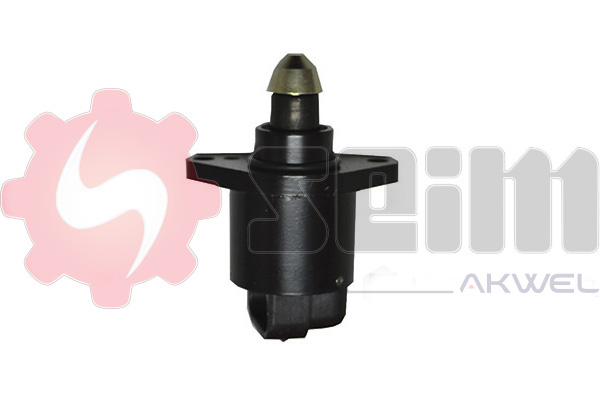
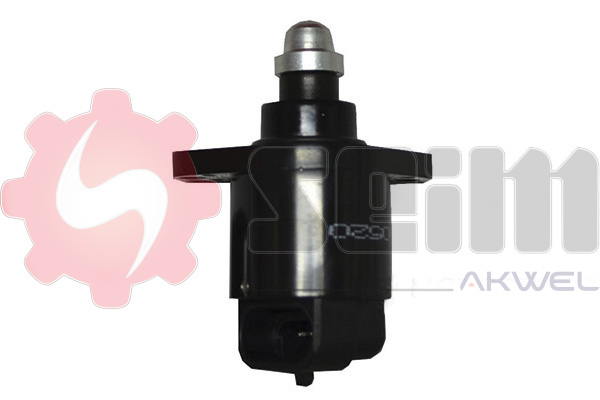
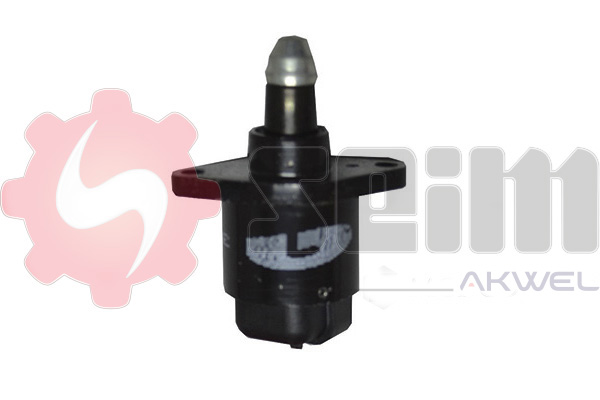
The idle actuator, also known as the idle control valve or stepper motor, regulates the flow of incoming air to the engine when the accelerator is released, particularly when the vehicle is stationary or moving slowly without pressure on the accelerator pedal. Its purpose is to maintain a stable engine speed and prevent stalling or irregular idling.
Main Functions of the Idle Actuator:
- Stabilization of Idle Engine Speed: The actuator automatically adjusts the air intake so that the engine continues to run smoothly when no gas is provided.
- Adaptation to Driving Conditions: The actuator compensates for variations in engine load, such as when using air conditioning or power steering, which can affect idle speed.
- Prevention of Stalling: By maintaining sufficient air intake at idle, it prevents the engine from stalling, especially during braking or when stationary.
The functioning relies on a stepper motor or valve that opens or closes an air passage controlled by the onboard computer (ECU), depending on the engine's air needs.
How to Choose an Idle Actuator?
To select the right idle actuator, several factors must be considered:
- Compatibility with the Vehicle: Ensure that the idle actuator is compatible with your vehicle’s model and brand. Check the original references or consult the manufacturer's specifications to avoid any adaptation errors.
- Technical Specifications: Review the technical specifications to ensure that the actuator meets your vehicle’s requirements.
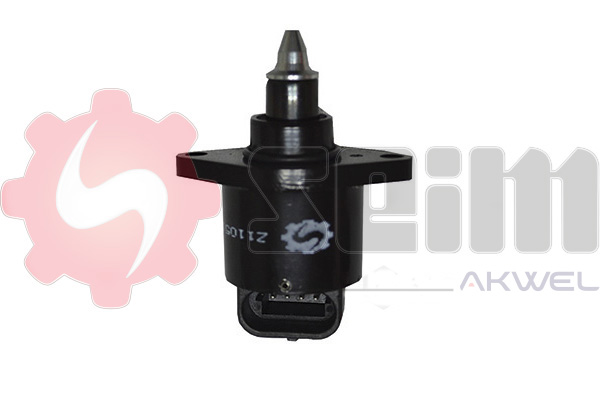
- Connectors: Verify that the connector matches that of your vehicle.
Installation of Idle Actuators
The installation of idle actuators can be done by a professional or by yourself if you have the necessary skills. Here’s a simplified guide to help you:
- Preparation: Before proceeding with installation or replacement, disconnect your vehicle's battery to avoid any risk of short circuit.
- Removing the Old Actuator: Locate the faulty actuator, disconnect the connectors, and remove it following the manufacturer's instructions.
- Installing the New Actuator: Position the new actuator in place, secure it properly, and reconnect the connectors.
- Checking for Leaks: During installation, ensure that the seals around the actuator and air intake are in good condition and properly fitted. Any air leaks could compromise the engine's functioning.
- Functionality Test: Reconnect the battery and start the engine to check that the idle speed is stable. It may be necessary to reset the onboard computer for it to recognize the new component. Some vehicles may also require idle calibration through a specific procedure indicated in the vehicle manual. A diagnostic tool may be necessary.
Maintenance of Idle Actuators
To ensure the longevity and accuracy of your idle actuators, regular maintenance is necessary. Here are some tips:
- Cleaning: Keep the actuators clean to prevent dirt buildup that could affect their performance.
- Regular Inspection: Check the condition of the actuators regularly to detect any signs of wear or malfunction.
- Preventive Replacement: Replace the actuators at regular intervals according to the manufacturer's recommendations to avoid unexpected failures.
Discover SEIM Idle Actuators Today!
The idle actuator is a crucial component for managing engine speed at low speeds or when stopped. A faulty actuator can lead to stalling or unstable engine speed variations, thereby affecting the overall performance of the vehicle. Contact us today to learn more and discover how our idle actuators can maintain the optimal functioning of your engine, even under demanding conditions.
SEIM - Your Partner for Reliable and High-Performance Solutions