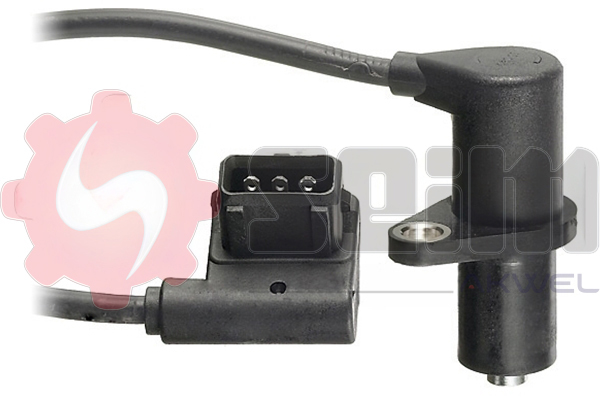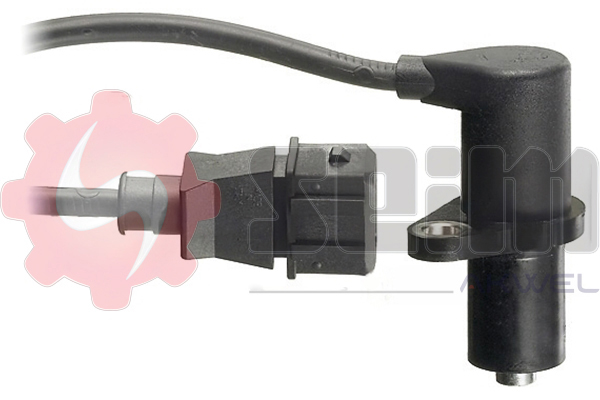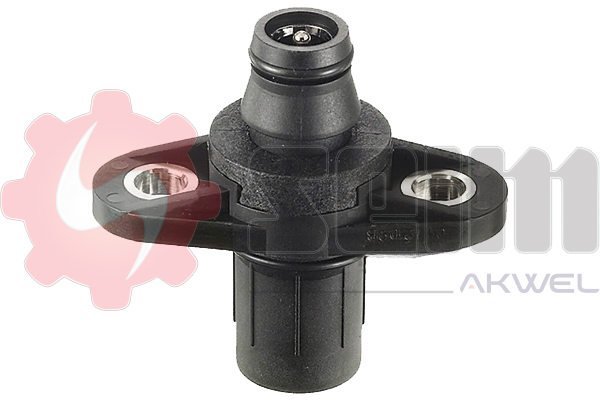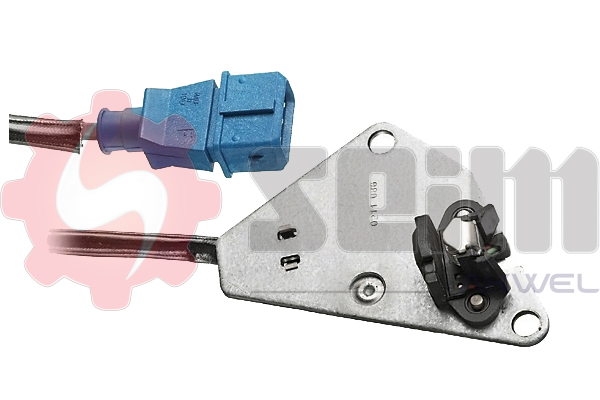
Camshaft Sensors. SEIM: Functioning, Role, Selection, and Installation
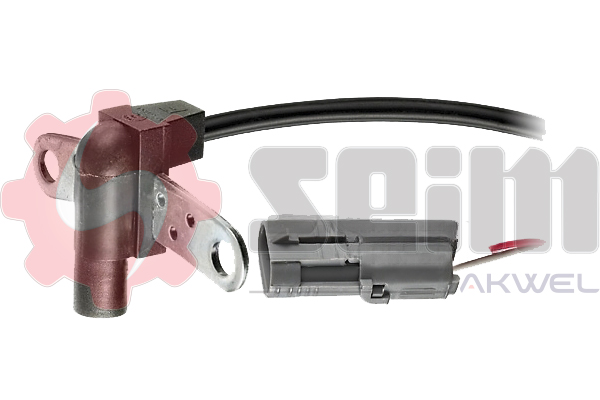
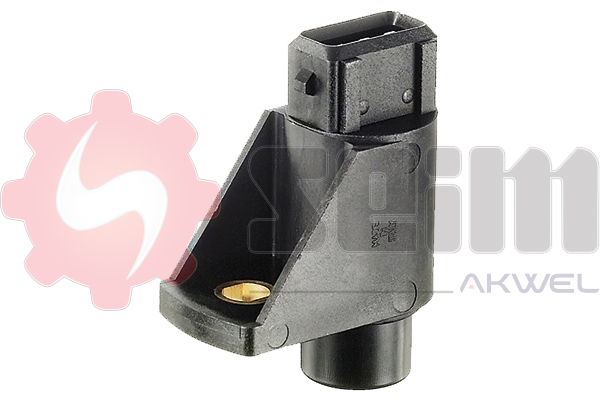
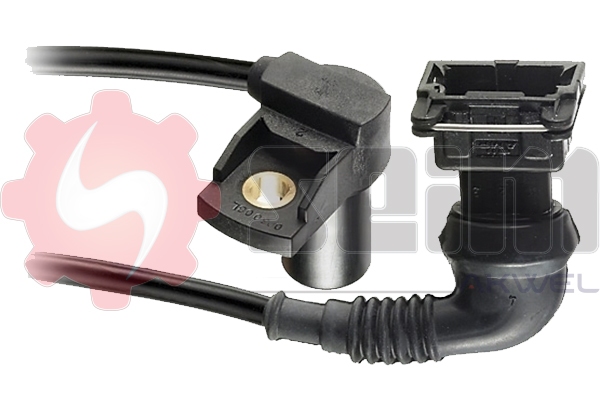
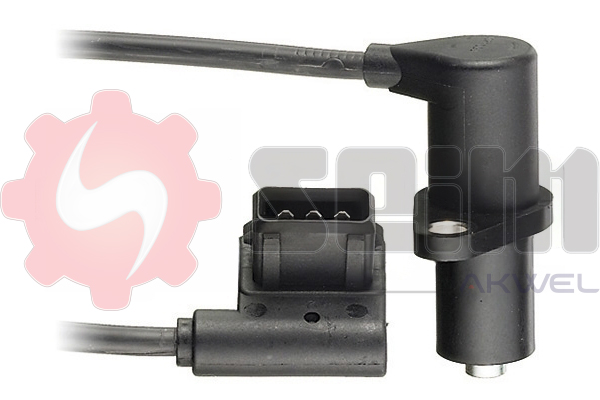
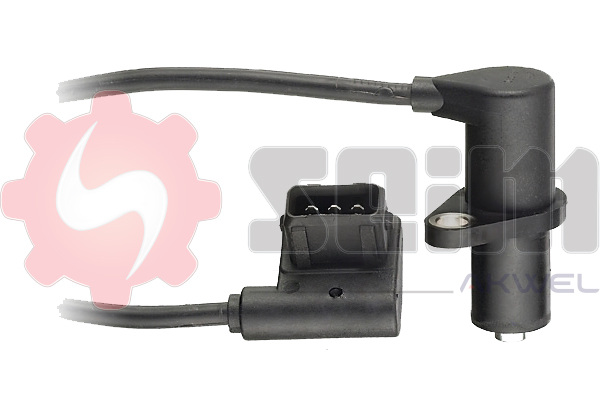
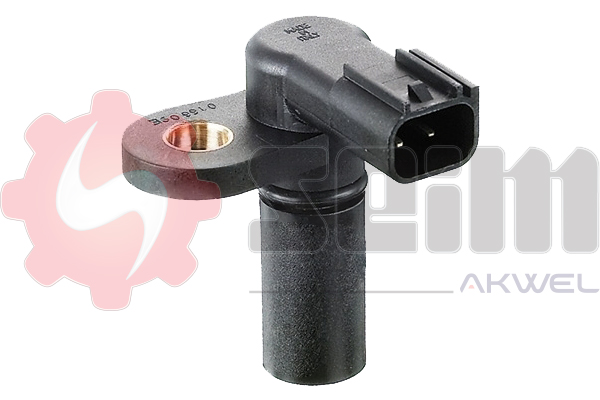
The Camshaft Sensor is an essential component in modern injection systems, ensuring that the engine operates correctly by monitoring the position of the camshaft. By choosing SEIM Camshaft Sensors, you invest in the longevity of your engine and enhance its performance.
What is a Camshaft Sensor?
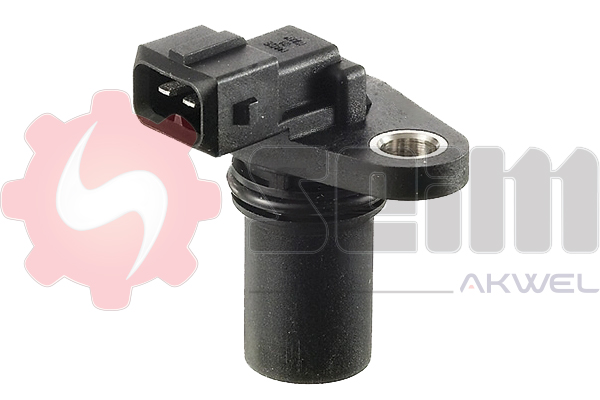
The camshaft sensor monitors the position of the camshaft, which controls the opening and closing of the engine’s valves. It transmits this information to the Engine Control Unit (ECU), which uses it to synchronize ignition and fuel injection. Without an accurate signal from this sensor, the engine may misfire or fail to start altogether.
Main Functions of the Camshaft Sensor:
- Synchronization of Injection and Ignition: The sensor sends signals to the ECU to coordinate the opening of valves and fuel injection to optimize combustion.
- Improvement of Engine Performance: By precisely adjusting ignition based on the camshaft position, the engine can operate more efficiently, resulting in better fuel economy and reduced emissions.
- Prevention of Engine Failures: A faulty sensor can cause misfires, power loss, or even prevent the vehicle from starting.
The sensor often works based on the Hall effect or variable reluctance, generating a signal when the teeth of a target wheel attached to the camshaft pass by the sensor. This signal is then interpreted by the ECU to determine the exact position of the camshaft.
How to Choose a Camshaft Position Sensor?
To select the right Camshaft Sensor, several factors must be considered:
- Compatibility with the Vehicle: Each vehicle requires a specific sensor. It is crucial to choose a sensor that is compatible with your vehicle and engine model. Check the original references or consult the manufacturer's specifications to avoid any fitting errors.
- Type of Sensor: Two main types of sensors are used:
- Hall Effect: These sensors operate from a magnetic field and generate a digital signal. They are often more accurate and resistant to interference.
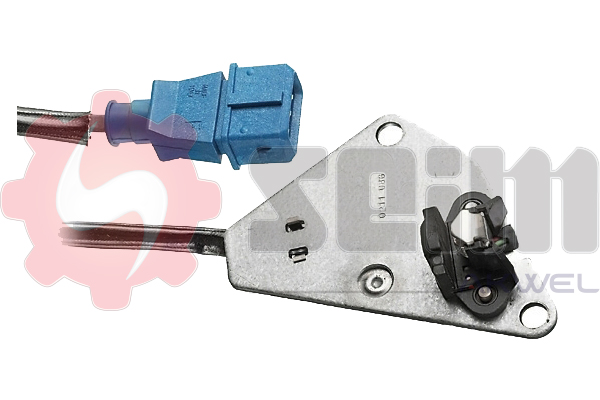
- Variable Reluctance: These sensors measure the change in magnetic field between the teeth of a target wheel and produce an analog signal.
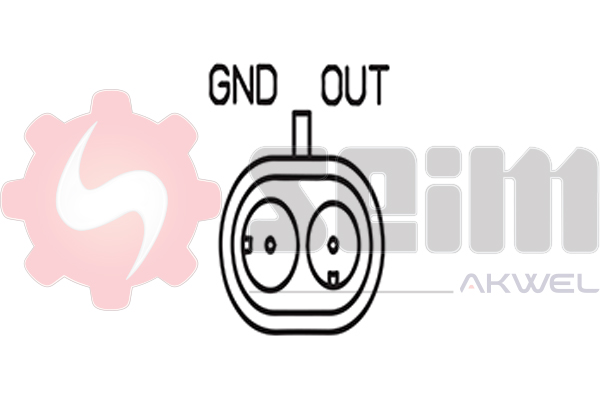
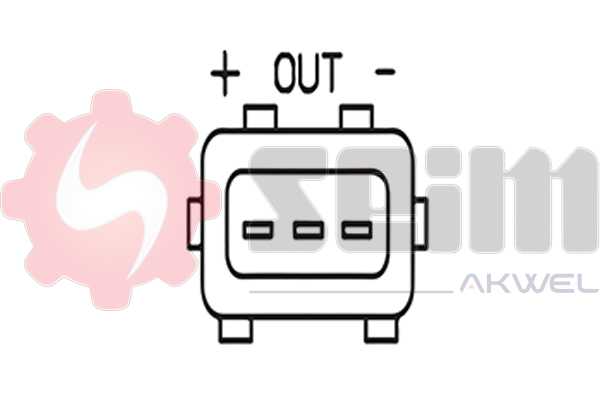
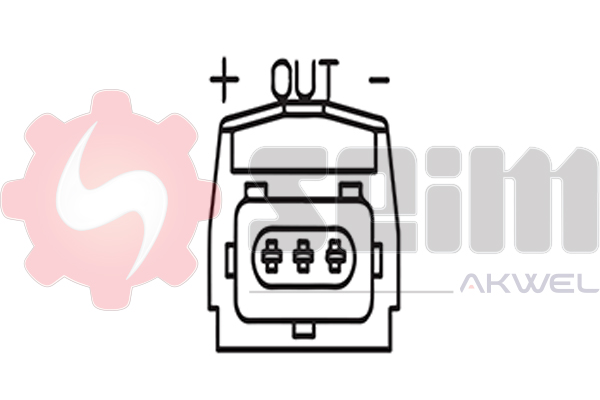
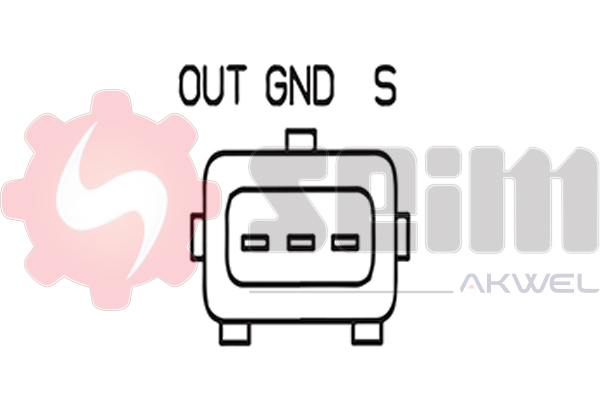
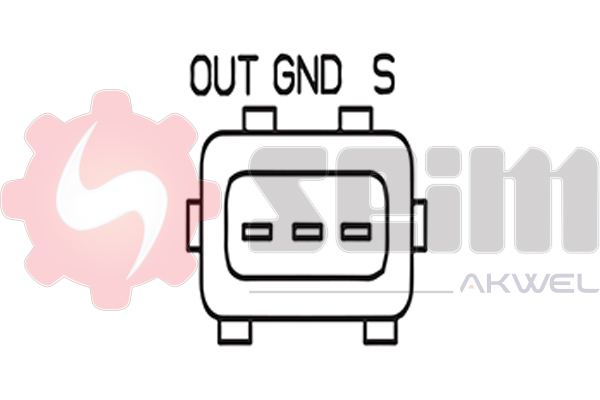
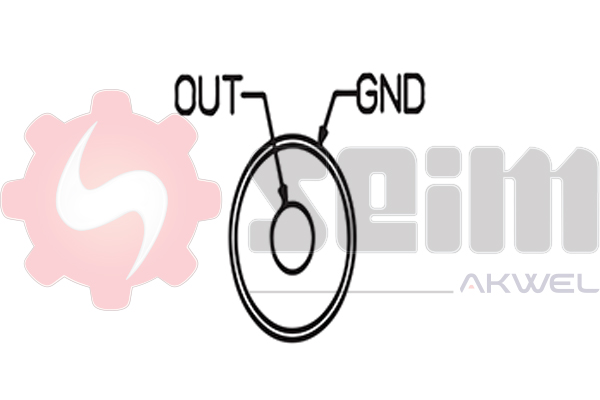
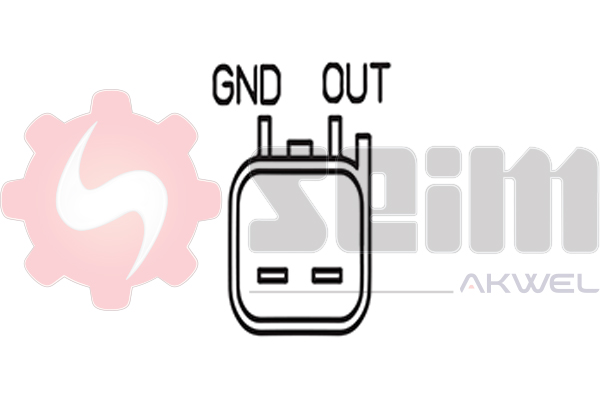
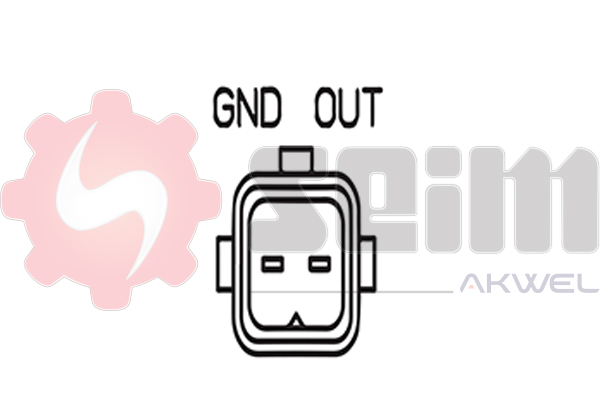
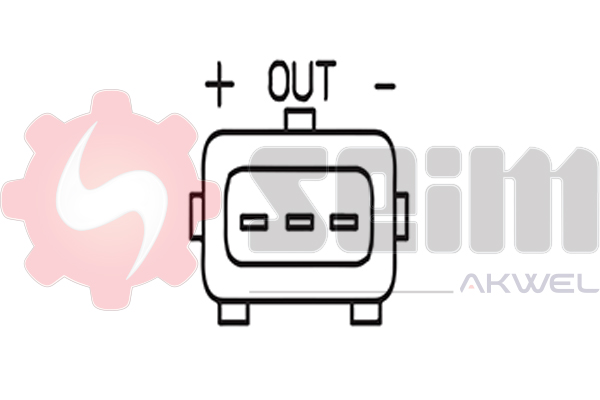
- Connectors: Ensure that the connector matches that of your vehicle.
Installation of Camshaft Position Sensors
Installing a Camshaft Sensor can be done by a professional or by yourself if you have the necessary skills. Here’s a simplified guide to help you:
- Preparation: Before installation or replacement, disconnect the vehicle’s battery to avoid any risk of short circuit or ECU damage.
- Locating the Sensor: The sensor is generally mounted near the camshaft, on the cylinder head or engine block. Consult your vehicle’s manual for the exact location.
- Removing the Old Sensor: Disconnect the electrical connectors from the old sensor, then remove the screws holding it in place. Be careful not to damage the wires.
- Installing the New Sensor: Place the new sensor in the location of the old one, ensuring it is properly aligned with the target wheel or the camshaft teeth.
- Testing Functionality: After installing the sensor, reconnect the battery and start the engine to test its functionality. If the engine runs unevenly or if a check engine light comes on, it may indicate a problem with the new sensor or improper installation.
- Electronic Diagnosis (if necessary): If errors appear, use an OBD diagnostic tool to reset the ECU or identify any issues related to the camshaft sensor. Some systems may require a reset of the ECU after installing a new sensor.
Maintenance of Camshaft Position Sensors
To ensure the longevity and accuracy of your Camshaft Sensors, regular maintenance is necessary. Here are some tips:
- Cleaning: Keep the sensors clean to avoid dirt buildup that could affect their performance.
- Regular Inspection: Check the condition of the sensors regularly for any signs of wear or malfunction.
- Preventive Replacement: Replace sensors at regular intervals according to the manufacturer's recommendations to avoid unexpected failures.
Discover Camshaft Position Sensors from SEIM now!
The Camshaft Sensor is a crucial element for the proper functioning of your engine. It allows for precise synchronization of fuel injection and ignition, ensuring optimal engine performance. Contact us today to learn more and discover how our sensors can protect your engine from performance issues.
SEIM - Your Partner for Reliable and High-Performance Solutions